
A great dining experience feels effortless. The food arrives on time, the flavors are consistent, and the atmosphere feels just right. But behind that smooth experience is a complex system of planning, coordination, and daily execution. Every detail, from ingredient sourcing to final presentation, is carefully managed to ensure that nothing feels out of place for the guest.
From early morning prep to late-night cleanup, restaurants rely on a network of people, tools, and processes working together. Every step matters. When one piece falls out of place, it can affect the entire experience. Timing, communication, and organization all play a role in keeping service running smoothly, especially during busy periods when the margin for error is small.
Understanding what happens behind the scenes deepens appreciation for the effort that goes into every meal. It also highlights the systems that allow restaurants to operate efficiently while maintaining quality. When these systems are well-managed, they create consistency, reliability, and a level of service that keeps customers coming back.
How Restaurants Prepare for the Day Ahead
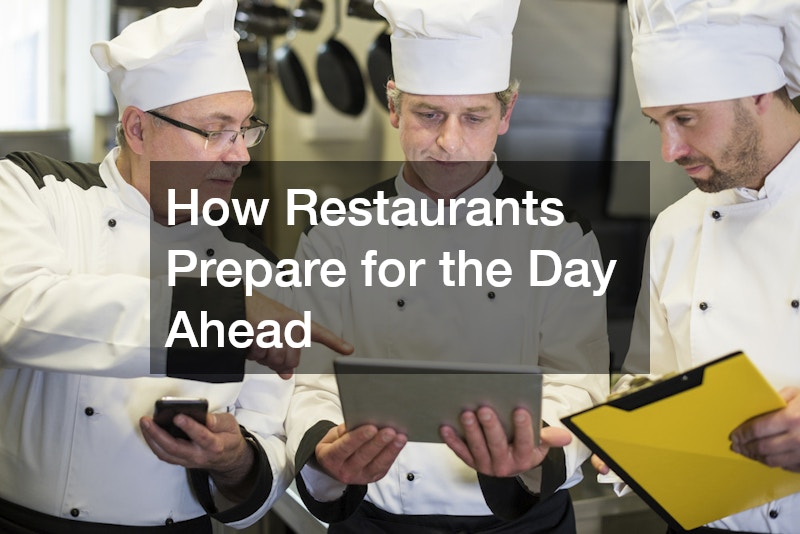
Local breakfast places often begin their day long before the first customer walks through the door. Preparation starts early, sometimes before sunrise, to ensure everything is fresh and ready. Ingredients are prepped, stations are set, and staff coordinate their responsibilities before service begins.
At a pizza restaurant, the process looks a bit different but is just as structured. Dough is prepared in advance, sauces are portioned, and toppings are organized for quick assembly. The goal is to reduce decision-making during peak hours to ensure orders are fulfilled quickly and consistently.
Preparation often includes:
- Portioning ingredients for consistency
- Prepping sauces, proteins, and produce
- Setting up cooking stations for efficiency
- Reviewing reservations and expected traffic
This early work allows kitchens to handle rush periods without delays. It also creates a smoother workflow, reducing staff stress and improving the overall customer experience.
Restaurants that skip or rush preparation often struggle during busy times. Small mistakes can quickly pile up, leading to slower service and inconsistent quality. What starts as a minor oversight—like missing ingredients or disorganized stations—can create delays that affect the entire kitchen. Staff may have to stop in the middle of service to fix issues, which adds pressure and increases the risk of further mistakes.
Over time, these disruptions can affect the overall customer experience. Orders may take longer, dishes may not meet the same standard, and the flow of service becomes harder to manage. Consistent preparation helps prevent these issues by creating a strong foundation for the rest of the day, allowing teams to stay focused, efficient, and organized even during peak hours.
Sourcing the Tools That Keep Kitchens Running
A well-equipped kitchen is essential for efficiency. Every tool, from large appliances to small utensils, plays a role in keeping operations running smoothly.
Local restaurant equipment providers supply essential items like ovens, refrigeration units, and prep stations. Choosing the right equipment ensures that kitchens can handle their workload without unnecessary strain.
A local restaurant supply store fills in the gaps by providing everyday items such as containers, cleaning supplies, and replacement parts. These items may not seem significant, but they are used constantly throughout the day.
Restaurants often take the following approach:
- Invest in durable, high-quality equipment
- Schedule regular maintenance checks
- Replace worn items before they fail
- Build relationships with reliable suppliers
Having dependable equipment reduces downtime and helps staff stay focused on their tasks. It also improves consistency, which is critical for maintaining quality. When tools and machines perform as expected, kitchens can operate at a steady pace without unnecessary interruptions or slowdowns.
Reliable equipment also supports better workflow. Staff can move efficiently between stations, complete tasks on time, and maintain a rhythm that keeps service running smoothly. Over time, this consistency builds confidence within the team and leads to more predictable, high-quality results for every order.
Managing Clean Water and Sanitation Standards
Water is one of the most essential resources in any kitchen. A reliable water service ensures that cooking, cleaning, and sanitation can happen without interruption.
Without proper water management, even simple tasks become difficult. More importantly, poor water quality can lead to serious health risks.
Restaurants maintain strict sanitation practices, including:
- Frequent handwashing and hygiene checks
- Regular cleaning of surfaces and equipment
- Safe handling and storage of food
Water systems must also be monitored to prevent contamination. Routine checks help identify potential issues before they affect operations. This includes inspecting filtration systems, monitoring pressure levels, and ensuring that all connections and fixtures are functioning properly. Even small irregularities, such as changes in water clarity or flow, can signal larger problems that require immediate attention.
Clean water supports everything from food preparation to customer safety. It’s one of the most important factors in maintaining a functional kitchen. It also plays a key role in cleaning dishes, sanitizing surfaces, and maintaining overall hygiene standards. When water quality is consistent and reliable, it helps ensure that every part of the operation runs smoothly and safely, supporting both efficiency and customer trust.
Keeping Food Fresh From Storage to Plate
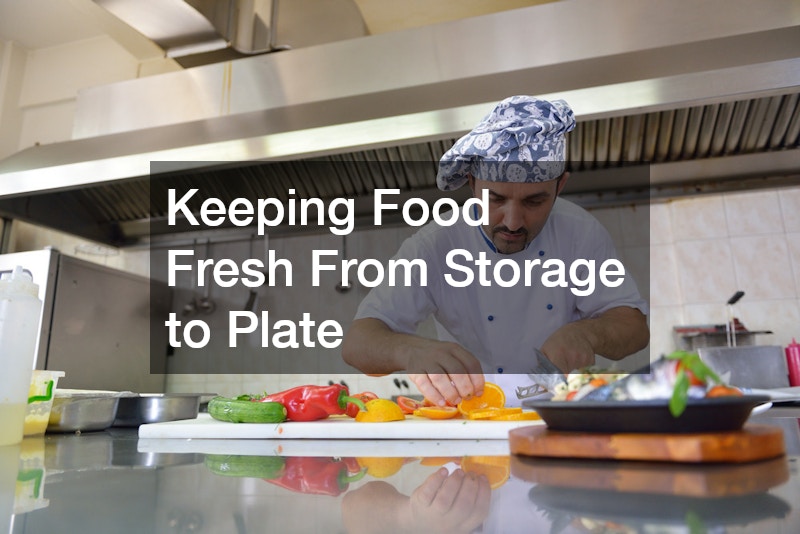
Freshness is a top priority in any restaurant. Proper storage and temperature control ensure that ingredients maintain their quality from the moment they arrive until they are served.
Special refrigeration services help maintain consistent temperatures across storage units. These systems are essential for preserving perishable items and preventing spoilage.
Ice machine rental is another key component, especially for high-volume operations. Ice is used for beverages, food storage, and even certain preparation techniques.
To maintain freshness, restaurants:
- Monitor temperatures regularly
- Separate raw and cooked items
- Rotate inventory to use older items first
- Inspect equipment for performance issues
Proper storage practices reduce waste and ensure that every dish meets quality standards. When ingredients are stored correctly, they maintain their freshness, texture, and flavor, which directly impacts the final result. It also helps kitchens manage inventory more effectively, making it easier to track what needs to be used first and avoid unnecessary spoilage.
Consistent storage habits create a more organized workspace, enabling staff to work faster and more accurately. Over time, this leads to better cost control, fewer disruptions during service, and a more reliable dining experience for customers.
Coordinating Delivery and Takeout Operations
The growth of local meal deliveries has added another layer of complexity to restaurant operations. Kitchens must now balance in-house dining with a steady stream of delivery orders.
Managing both requires careful coordination. Orders must be prepared, packaged, and dispatched efficiently to maintain quality.
Key strategies include:
- Using packaging that retains heat and freshness
- Timing orders to minimize wait times
- Assigning staff specifically for delivery operations
Balancing dine-in and delivery services can be challenging. During peak hours, strong communication and efficient workflows are required. Orders must be tracked carefully, timing needs to be precise, and staff must stay coordinated to avoid delays or confusion between in-house and outgoing orders.
Restaurants that manage this well can expand their reach while maintaining a high level of service. It allows them to serve more customers without compromising quality and to create new revenue opportunities. Over time, this balance helps build a stronger operation that can adapt to changing customer preferences and demand.
Moving Ingredients Efficiently Behind the Scenes
Food logistics and transportation play a critical role in restaurant success. Ingredients must arrive on time and in good condition to support daily operations.
Restaurants coordinate closely with suppliers to manage inventory and prevent shortages. This includes:
- Scheduling deliveries based on usage patterns
- Inspecting shipments upon arrival
- Storing items quickly to maintain freshness
Efficient logistics reduce waste and improve consistency. When ingredients arrive late or in poor condition, it can disrupt the entire operation.
Seasonal changes also impact supply chains. Restaurants must adjust their ordering strategies to account for fluctuations in availability and demand.
Understanding the Role of Specialty Ingredients
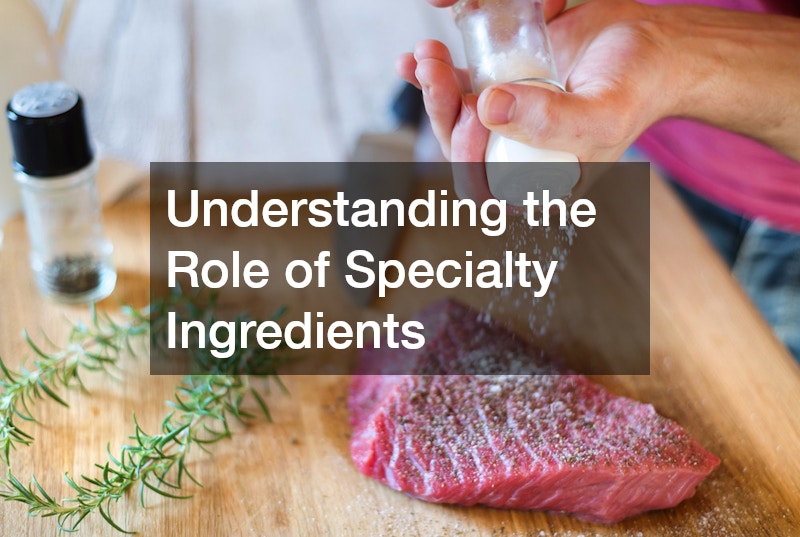
Specialty ingredients are often used to enhance texture, flavor, and consistency. Organic sunflower lecithin is one example that helps improve emulsification in certain recipes.
These ingredients allow chefs to refine their dishes and maintain consistency across servings. They also support innovation, enabling new techniques and presentations.
Proper handling is important:
- Store ingredients according to guidelines
- Train staff on correct usage
- Monitor inventory to prevent waste
Using high-quality ingredients contributes to better results and a more refined dining experience. It enhances flavor, texture, and presentation, allowing each dish to stand out and meet customer expectations. Consistency also improves when ingredients are reliable, making it easier for kitchens to deliver the same quality every time.
Over time, this focus on quality helps build trust with customers. Guests are more likely to return when they know what to expect and feel confident in the experience. It also supports a stronger reputation, as attention to ingredient quality often translates into overall excellence in the dining experience. Creating a Seamless Front-of-House Experience
The front of house is where all behind-the-scenes efforts come together. This is where customers form their impressions.
Staff training is essential for delivering consistent service. Employees must be able to:
- Communicate clearly with customers
- Manage busy periods effectively
- Handle concerns professionally
Cleanliness and presentation also matter. A well-maintained dining area creates a welcoming atmosphere and reinforces quality.
Customer feedback plays a key role in improvement. Restaurants that listen and adapt can refine their operations over time.
Balancing Quality, Speed, and Cost
Every restaurant must balance quality, speed, and cost. Focusing too much on one area can negatively impact the others. Prioritizing speed alone can lead to rushed preparation and inconsistent results, while focusing only on quality without efficiency can slow service and frustrate customers. At the same time, cutting costs too aggressively can affect ingredient quality, staffing, and overall performance.
Finding the right balance requires constant adjustment. Restaurants must evaluate their processes, monitor performance, and make changes in response to demand and customer expectations. When this balance is well managed, it creates smoother operations, better service, and a more consistent experience for guests.
To maintain balance, restaurants:
- Optimize workflows to reduce delays
- Monitor inventory to control costs
- Adjust staffing based on demand
Efficiency doesn’t mean cutting corners. It means finding ways to deliver consistent quality while managing resources effectively.
Restaurants that achieve this balance are better positioned for long-term success. They can adapt to changing demand, maintain consistent quality, and manage costs without sacrificing the overall experience. This flexibility allows them to stay competitive in a crowded market while continuing to meet customer expectations.
Over time, this balance builds a stronger foundation for growth. It supports better decision-making, improves team efficiency, and enhances operational reliability. As a result, restaurants can maintain steady performance, build customer loyalty, and continue delivering high-quality dining experiences.
Building a System That Supports Long-Term Success
Sustainable success requires strong systems. These systems ensure consistency, even as operations grow.
Key elements include:
- Standardized processes for daily tasks
- Ongoing staff training and development
- Regular performance reviews and adjustments
A strong foundation allows restaurants to adapt to changes and handle challenges more effectively. Whether it’s a shift in customer demand, supply chain disruptions, or seasonal fluctuations, having reliable systems in place makes it easier to adjust without sacrificing quality. It also gives teams the confidence to respond quickly and make informed decisions under pressure.
Long-term planning also helps businesses stay competitive and continue delivering high-quality experiences. By looking ahead, restaurants can anticipate needs, invest in improvements, and refine their operations over time. This forward-thinking approach supports steady growth while maintaining the standards customers expect.
A great dining experience results from careful planning, strong systems, and dedicated teamwork. While customers see the final product, the real work happens behind the scenes. Every role, from kitchen staff to suppliers, contributes to the final outcome, and their coordination is what keeps everything running smoothly.
From preparation and equipment to logistics and service, every detail contributes to the overall experience. When these elements come together, they create something that feels seamless and enjoyable. Consistency across these areas builds customer trust and reinforces the quality of the dining experience.
Understanding this process adds a new level of appreciation for the effort behind every meal and the people who make it possible. It highlights the skill, organization, and commitment required to deliver a great experience every time, turning what may seem simple on the surface into something much more meaningful.